SJR / The process
From player to instrument.
Every SJR begins by understanding the player, then finding a direction for sound, feel, materials, and character.
06 / Working stages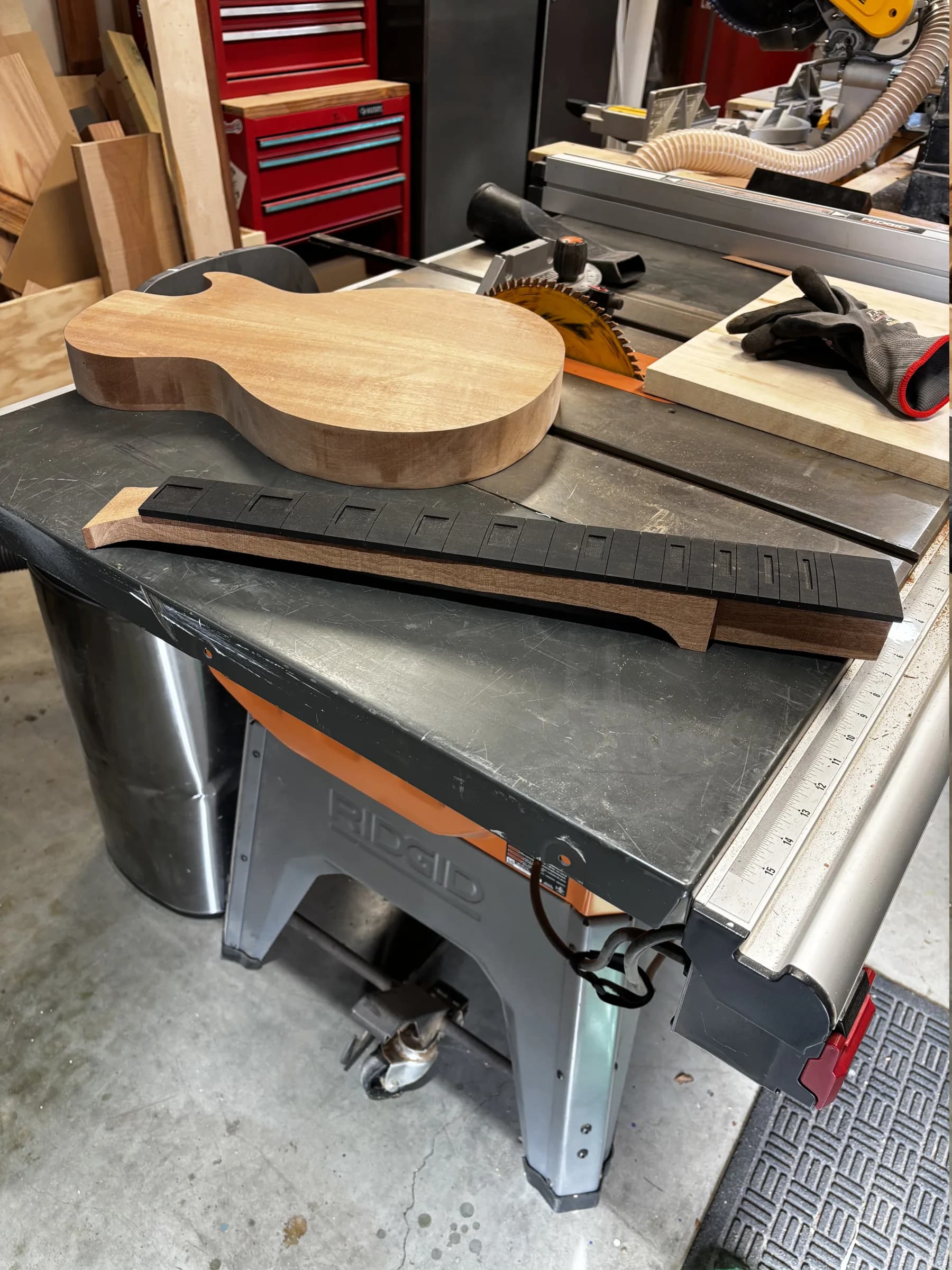
01 / The starting point
Where the direction
begins.
The first step is establishing a clear direction for the instrument before detailed choices take shape.
02 / The conversation
Start with
the player.
How do you play? What styles shape your sound? What should the instrument feel like—and what personality should it carry?
- Playing style
- Sound + feel
- Visual direction
- Personal priorities

03 / Materials + direction
Materials with
a purpose.
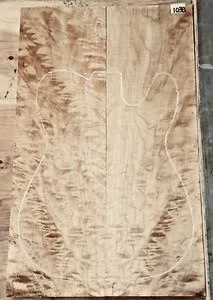
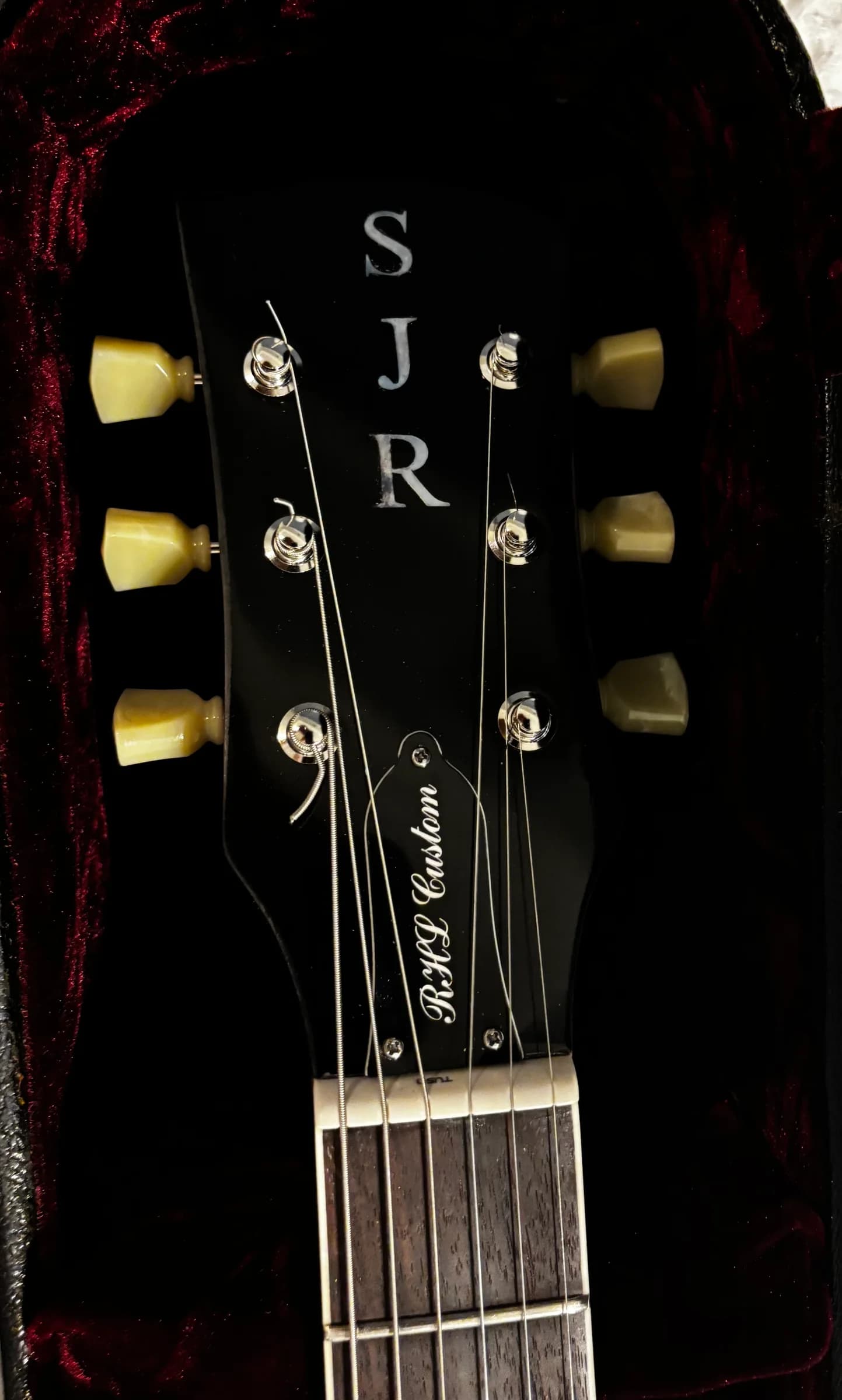
Bodies may include Figured Maple, Mahogany, and Ash. Confirmed fingerboard woods include Rosewood, Ebony, and Maple; headstock options include Ebony, Maple, Rosewood, and Mahogany.
04 / Specification
Turn direction
into decisions.
The conversation becomes a working specification that keeps the player's priorities, materials, and overall direction aligned.
Final selections are documented before the build moves forward.
05 / The build
The direction
takes form.
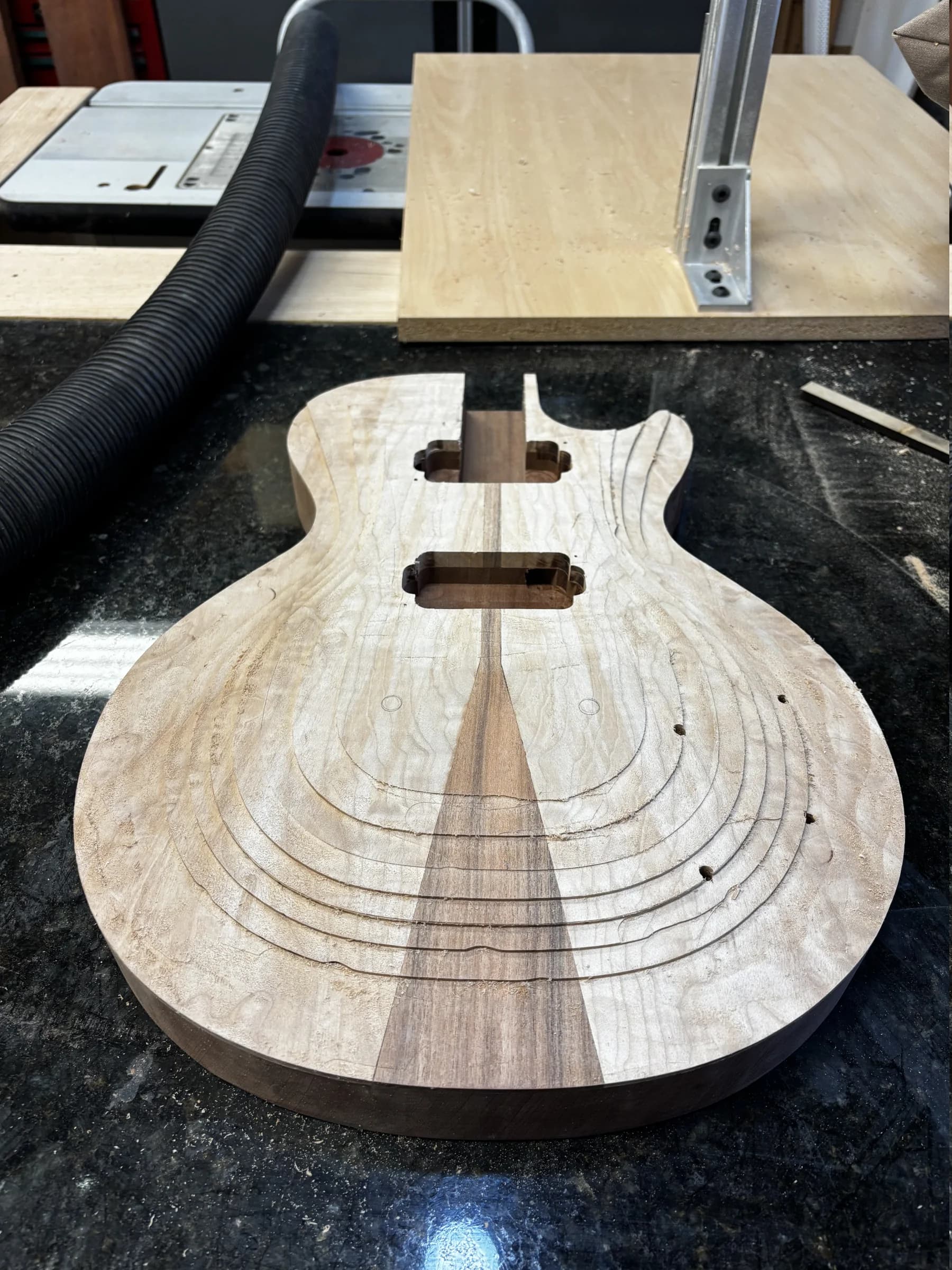
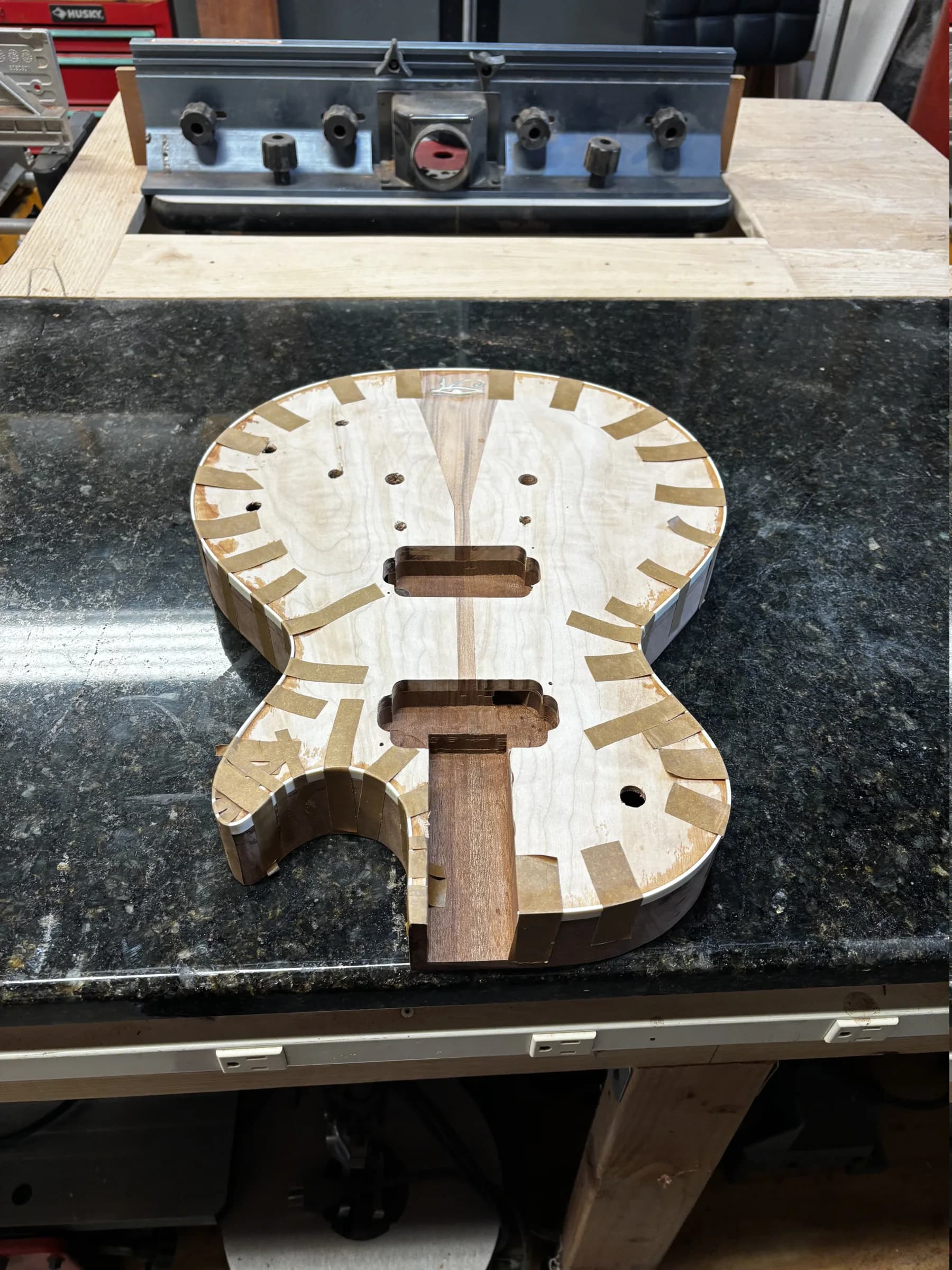
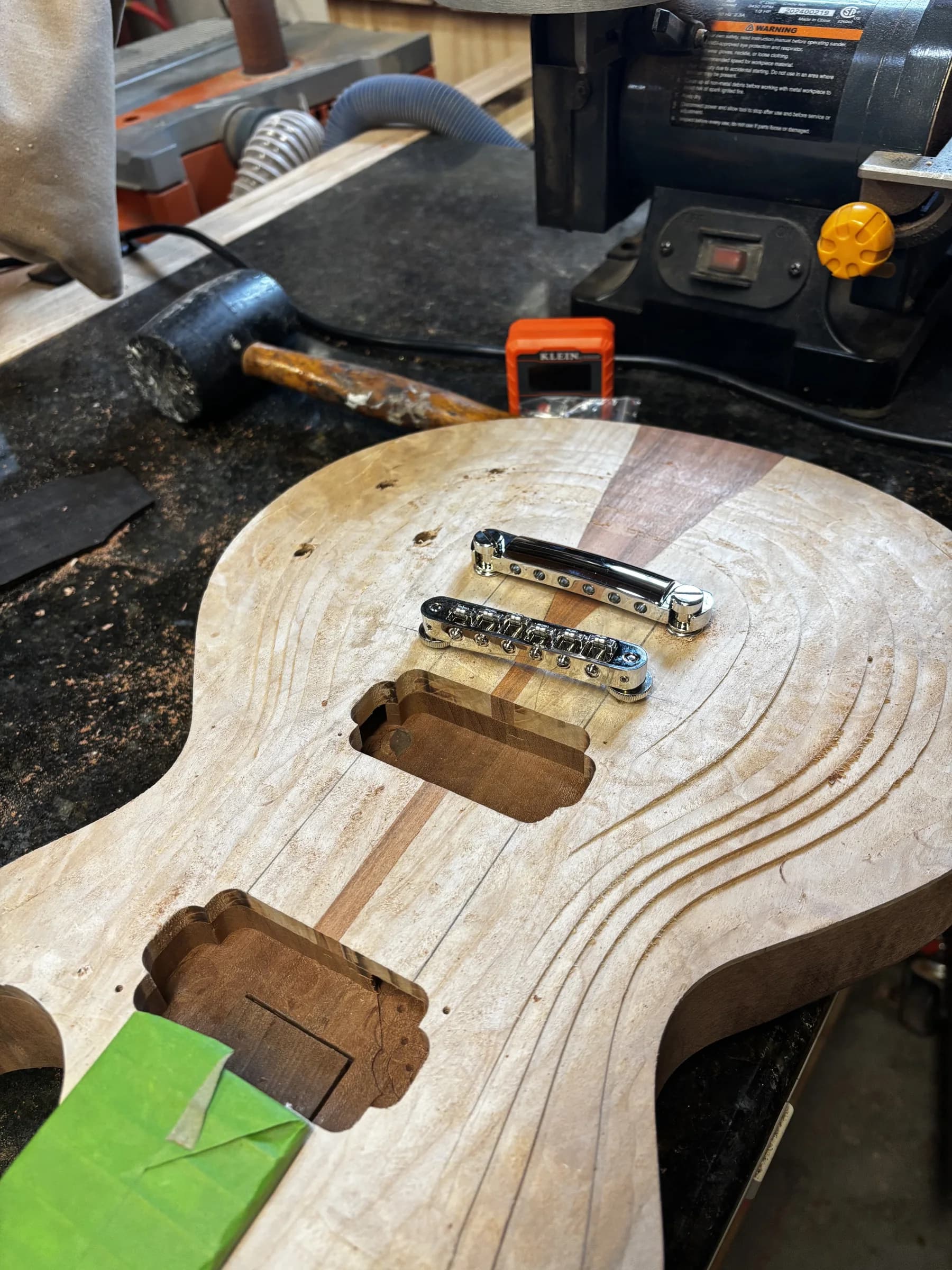
Once the direction is agreed, the instrument begins to take form through the build and assembly stages.
06 / Setup + final instrument
Ready to become
your SJR.
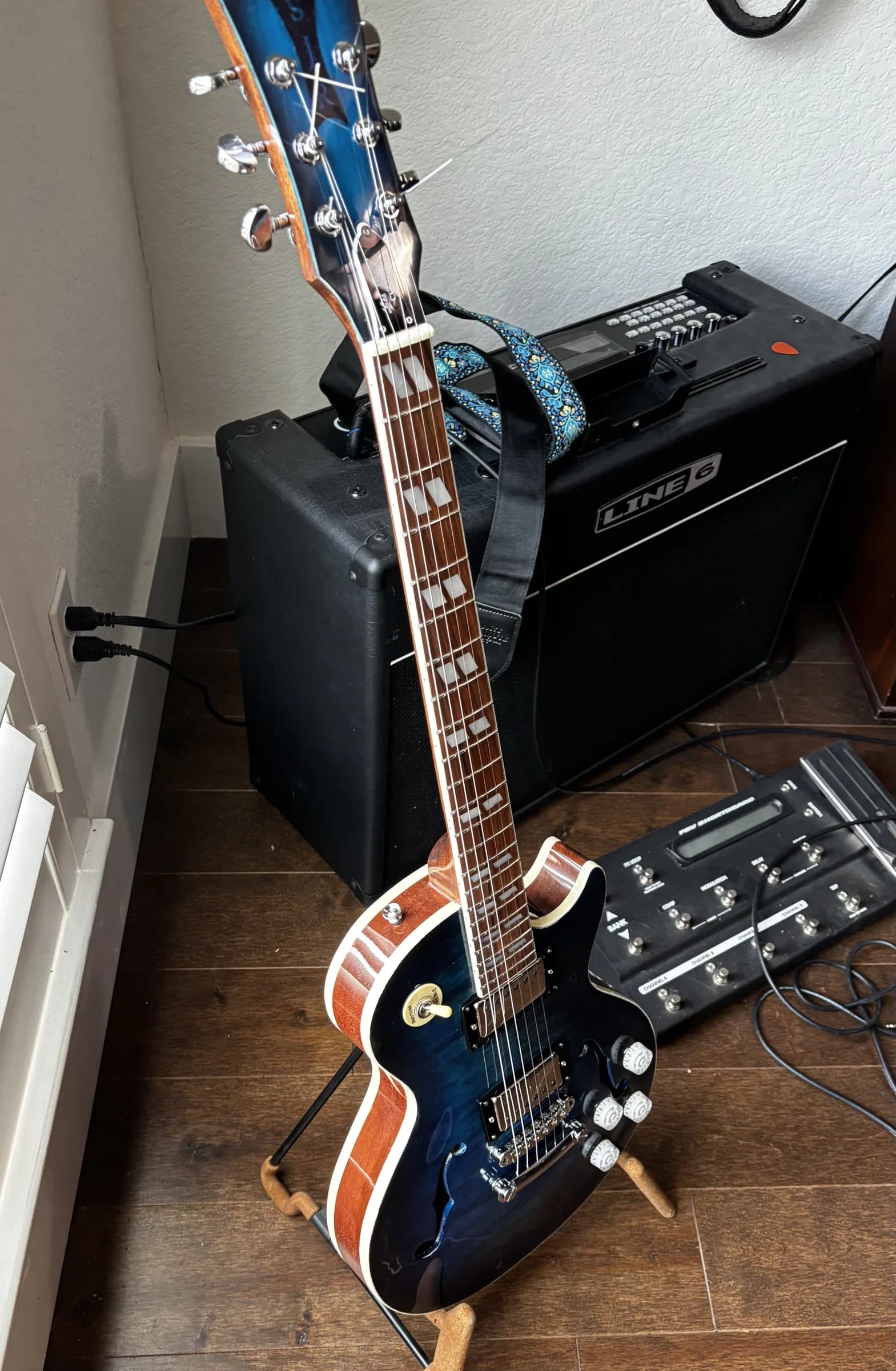
Setup is the final stage before the completed instrument is ready for its player.
Start your build